
When You’re Sick: What Actually Helps?
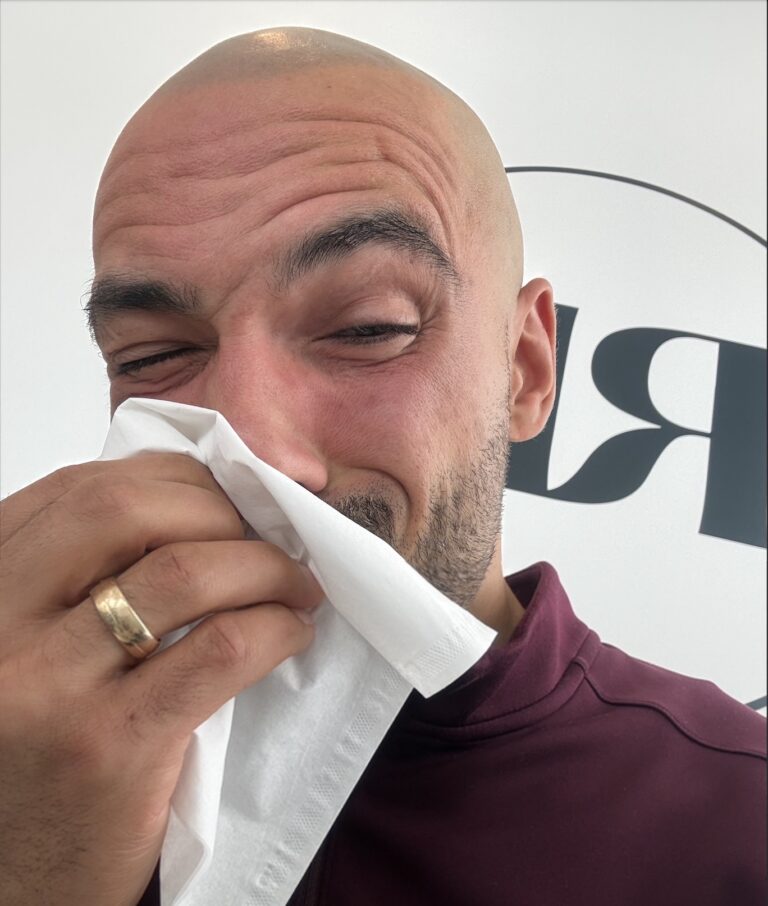
This is what I do when I get sick.
Using Evidence, Comfort, and Not Making It Worse
You know that moment you wake up and immediately think, “Oh no… something’s wrong.” Your throat feels like you swallowed a handful of Doritos sideways, your joints ache like you regrettably signed up for a marathon in your sleep, and you’re suddenly rethinking every life decision that led to this point.
This is an evidence-focused, rough guide, which is also what I (Dr. Turner) follow if ever I get sick. Many popular remedies have limited or mixed evidence. Others show promise in specific contexts. I’ll summarize what the best systematic reviews and clinical trials say, then give a clear, usable plan you can follow the next time you need to know what to do when sick.
Wim Hof Breathing: Evidence and Reality Check
what to do when sick
What the research shows:
Cochrane-level, high-quality evidence on Wim Hof breathing for treating acute illness is limited. However:
A landmark study in Proceedings of the National Academy of Sciences (Kox et al., 2014) showed that Wim Hof-trained individuals could voluntarily influence their autonomic nervous system and modulate inflammatory responses during experimentally induced endotoxemia. In English, that means the group that did the Wim Hoff breathing and ice bath overcame the virus they were injected with.
The study showed participants were able to makes your body’s natural ability to fight off infections stronger by increasing brains tolerance to CO2.
Is this a cure? No.
Is this fascinating? Absolutely. I try to get it done first thing in the morning, 3 x per week.
It may potentially:
- Reduce systemic inflammation
- Improve perceived stress
- Enhance cold tolerance
- Help you feel better when sick now (less from magic, more from autonomic modulation
Sunlight: The Free Therapy You Probably Need
Sunlight is basically nature’s “Do you want to feel human again?” button.
Why sunlight matters:
- Increases serotonin
- Helps regulate circadian rhythm
- Provides ultraviolet exposure that enables vitamin D synthesis
- Enhances immune function and potentially reduces the incidence of respiratory infections.
- Exposure to sunlight may also contribute to herd immunity in communities, further decreasing the spread of these illnesses.
- Inactivates viruses on surfaces, including influenza A, and can also reduce airborne pathogens. Thanks to the ultraviolet (UV) light in sunlight, which can damage the genetic material of these microorganisms. Sunlight (read more)
Yup… the sun literally kills viruses. Just don’t go sunbathing on your lawn while feverish and delirious. Or go for it! No one really cares! Your neighbors already think you’re weird.
Even a 10 to 20 minute walk in sunlight helps you feel better when sick now by boosting mood, better breathing, and helping your immune system work properly.
Infrared and Red Light Therapy
Red and infrared light therapy sounds futuristic, like you’re healing inside a Tron movie. Luckily, the science isn’t sci-fi anymore.
What the data says:
Red and near-infrared wavelengths penetrate tissue and support:
- Mitochondrial ATP production (cellular energy..it’s for everything your body does)
- Reduced inflammation
- Improved circulation
For general viral illness, the evidence is still emerging but promising. Side Note – A study from Bermingham found redlight therapy using 810nm wavelength is connected to controlling the inflammatory processes in the brain that follow head trauma, and significant reductions in biochemical markers of apoptosis (cell death).
Will it stop a cold overnight? No.
Will you feel like you’re from the future? Weirdly, yes.
what to do when sick
Vitamin C is the supplement everyone magically remembers when they get sick, as if a single orange will resurrect you from the brink.
Cochrane Review (Hemila & Chalker, 2013):
- Routine high-dose vitamin C does not prevent colds in the general population.
- It does shorten cold duration by about 8 percent in adults and 14 percent in children.
- Benefits may be greater in people under physical stress (endurance athletes, soldiers in subarctic conditions, parents of toddlers…)
Taking 1000 to 2000 mg spread through the day can help you feel better when sick now.
Just expect some digestive “feedback” if you overdo it. Your intestines will not be shy.
Vitamin D is the “quiet kid in class” supplement. Doesn’t make a fuss, doesn’t get flashy headlines, but consistently performs.
A major meta-analysis in BMJ (Martineau et al., 2017) concluded:
- Vitamin D supplementation reduces risk of acute respiratory infections, especially in those deficient (important if you live north of the equator).
- Daily or weekly doses were more effective than large bolus doses.
If you live in Canada, you’re likely low. Half the country’s vitamin D level drops below optimal every winter (below 30 nmols/L).
Keeping vitamin D optimized can help you feel better when sick now and reduce overall infection severity. Unfortunately, there is no high quality evidence available for the combination of K2 and D3 despite the consistent marketing telling us otherwise.
what to do when sick
Echinacea is like the herbal version of that friend who always says “I know a guy.” Because the research is conflicting, but occasionally impressive.
Evidence:
- Some trials show reduced cold duration or severity.
- Others show minimal benefit.
- A 2014 meta-analysis in Current Therapeutic Research suggests Echinacea may reduce cold incidence by 10 to 20 percent.
- Everyone agrees, it tastes aweful!
Not a miracle, but not useless.
If it works for you, great. If not, at least it tastes like you tried.
Oregano oil feels like the remedy your grandmother swore by and your taste buds instantly regretted. The idea is to kill the bad bacteria so the throat tissue can recover.
Evidence:
- Oregano oil contains carvacrol and thymol with antimicrobial properties.
- Lab studies show antibacterial and antifungal effects (Research Gate, 2023).
- Human evidence is less robust, but some small studies support symptomatic benefit for upper respiratory irritation.
Does it help? Depends on how consistent you use it (morning and at night).
Will you smell like you use salad dressing for toothpaste? Absolutely.
Your gut is basically mission control for your immune system. The state of the bacteria in your gut determines everything from how well you can handle getting sick, your mood, and recovery from head injuries.
Evidence:
Cochrane Review (Hao et al., 2015):
- Probiotics reduce the frequency of acute respiratory infections.
- Reduce the use of antibiotics.
- Shorten the duration of upper respiratory tract infections (URTI).
The two types of bacteria, Lactobacillus and Bifidobacterium strains, are the most studied.
Kefir is probiotics’ bubbly, fermented cousin. Tastes like yogurt that got too confident.
Why kefir works:
- Contains up to 30 beneficial strains
- High in bioactive peptides
- Supports both gut and immune function
- Some studies show improved mucosal immunity in upper respiratory challenges
It’s basically a probiotic drink in superhero form. I use the KefirKult brand and my kids love it!
This is one of the few supplements with consistently strong evidence, making it a good choice to help you feel better when sick now.
Hot Toddy
A hot toddy with ginger, garlic, turmeric, and lemon is basically the world’s spiciest apology to your immune system.
Ginger contains gingerols that can reduce airway inflammation and ease nausea.
Garlic provides allicin, which has antimicrobial activity and may help shorten symptom duration.
Turmeric offers curcumin, a well-studied anti-inflammatory that supports upper respiratory comfort.
Lemon adds vitamin C to support immune function.
Taken together as a warm drink, this combination can help loosen mucus, calm throat irritation, and support the body’s natural response to infection.
Rest, Time,
and get adjusted when at the tail-end of being sick
This one is wild, groundbreaking, cutting-edge medical advice: Rest.
Your body is not a machine, but if it were, this would be the moment every dashboard icon is blinking red. Take the time to rest. Then come in to get adjusted and relieve the grumpy back and neck aches you earned from overstaying your welcome in bed and coughing like a goose trying to start a lawnmower.
Why Rest Matters:
- Sleep increases natural killer cell activity
- Reduces inflammatory markers
- Supports antibody production
- Shortens viral illness duration
- Prevents your body from staging a union strike
Why Adjustments Matter:
- Not moving much → joint/muscle pain. Adjustments → Reduce movement-related discomfort.
- Improve functional mechanics: Being sick often leads to guarded posture, shallow breathing, and awkward sleep positions.
- Support overall recovery: helps the body return to normal activity sooner, reducing the lingering aches that stick around long after the illness is gone.
- Cranial Adjusting to release the sinus pressure and help drain the nasal cavity.
What to do when sick
Putting It All Together:
What You Should Actually Do
Here’s the practical, evidence-based routine that most patients benefit from:
1. Support your immune system
- Adequate sleep
- Low stress
- Hydration
- Light movement when tolerated
- Sunlight exposure
- Get adjusted after
2. Add targeted tools
- Wim Hof breathing for autonomic modulation
- Infrared or red light for circulation and tissue support
- Vitamin C for reduced illness duration
- Vitamin D (especially if deficient)
- Echinacea for mild preventive benefit
- Oregano oil for throat symptoms and congestion
- Probiotics or kefir for immune regulation building
3. Know what these therapies are NOT
- Magic
- Instant fixes
- Substitutes for medical assessment when symptoms worsen