
Low-Carb Brain Health Challenge

Low-carb brain health challenge
No simple Carbs
Eat Purple Foods
Add Walnuts & Saffron
How a low-carb approach plus “eat more purple,” walnuts, and saffron can support cognition and long-term brain health
So, you’ve had a concussion, or maybe your brain is just tired from too many Zoom calls… either way, welcome to the Low-Carb Brain Health Challenge. Four weeks of cutting little to no simple carbs, embracing purple vegetables, walnuts, and saffron, all with the kind of humor that makes broccoli almost funny… Almost.
Why low carb? Why purple? Why walnuts? And what’s saffron? Because science says they may help your brain recall where you left your keys or remember your wife’s name. And if they don’t, hey, at least you’ll be eating fewer carbs than a loaf of bread, and that feels like a win.

If you’ve ever felt like your brain’s buffering symbol is stuck after a concussion or after three donuts, this challenge might be your reboot. We’re diving into a 4-week Low-Carb Brain Health Challenge that combines the ketogenic edge with memory-boosting walnuts, antioxidant-rich purple foods, and saffron’s anti-Alzheimer’s sparkle.
The 4-Week Low-Carb Brain Health Challenge
Alright, step one: ditch simple carbs. No, this isn’t an intervention for your leftover Halloween candy; that’s next week’s regret. For four weeks: very few simple carbs, some of healthy fat, moderate protein, and a smattering of brain-boosting vegetables and spices. The effects of this diet change tends to show up after 4 weeks…so hang in there.
Why low-carb helps the brain
- Calms inflammation in the body and brain
- Reduces oxidative stress (like cleaning the rust out of the brain)
- Gives your brain ketones – a backup fuel source for when you sugar (glucose) isn’t used properly
- Help brain cell communicate and adaptation to stress (Neuroplasticity)
- Improve mitochondria (your cells’ tiny power plants), and boost memory function
Basically, your brain gets upgraded from a rusty flip phone to a slightly faster smartphone. Still not as fast as you want, but better.
Quick tip for PCS folks: low-carb diets may improve energy stability and reduce brain fog. So while you’re avoiding bread, bagels, and those sneaky Halloween bags of chips in your desk drawer, your neurons are doing a little happy dance.
More Purple, More Memory
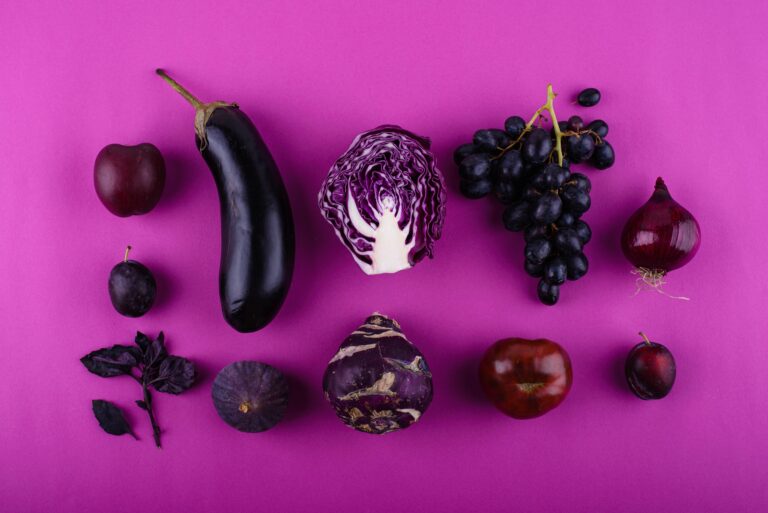
Purple vegetables are basically the fashion icons of the produce aisle. They’ve got these fancy compounds called anthocyanins and flavonoids that sound like prescription drugs but are really just what make blueberries blue and eggplants… well, purple.
These little nutrients help your brain by fighting off oxidative stress (that’s science-speak for “your brain’s getting rusty”), calming inflammation (your brain’s version of being hangry), and improving blood flow, which is like giving your neurons a fresh shot of Jamaican Blue Mountain espresso.
So yeah, eating purple veggies might actually help you think clearly.
And if they don’t, at least you’ll look classy eating something that isn’t beige and covered in cheese.
My Top Ten Purple Foods
Blueberries – One of My favourites! Tiny but mighty. Packed with anthocyanins, antioxidants, and fiber. Great for memory, reducing brain inflammation, and pretending dessert is healthy.
Purple Cabbage (Red Cabbage) – Cheap, crunchy, and ridiculously rich in phosphatidylserine (anti-stress compound), vitamin C and polyphenols. Basically a detox spa for your cells and brain


Blackberries – A sweet way to fight oxidative stress. They’ve got vitamins C, K, and manganese, plus more fiber than you’d expect from something that stains your fingers.
Eggplant (Skin On!) – The skin’s where the magic happens! It’s full of nasunin, a compound that protects your brain cells from damage. Just don’t drown it in breadcrumbs, fry it, and call it “healthy.”

Purple Sweet Potatoes – Loaded with anthocyanins and slow carbs that don’t spike blood sugar. They’re like regular sweet potatoes that went to grad school.
Purple Cauliflower – it’s loaded with anthocyanins, the same antioxidants found in blueberries, that give it that rich violet color. Those compounds help reduce oxidative stress and calm inflammation in the brain. It’s also packed with vitamin C, fiber, and sulforaphane, a compound shown to support detoxification and brain resilience.

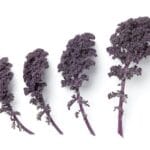
Purple/Black Kale (aka Tuscan or Lacinato Kale) – Darker than your morning coffee and packed with lutein, anthocyanins, and vitamin K, which protect neurons and support memory. Bonus: It’s one of the highest antioxidant veggies per calorie. Kinda like spinach’s tougher, moodier cousin.
Purple Daikon Radish – Crunchy, spicy, and loaded with flavonoids that help keep blood vessels flexible better brain blood flow = sharper thinking. Also makes you feel smugly healthy when you slice it into salads.
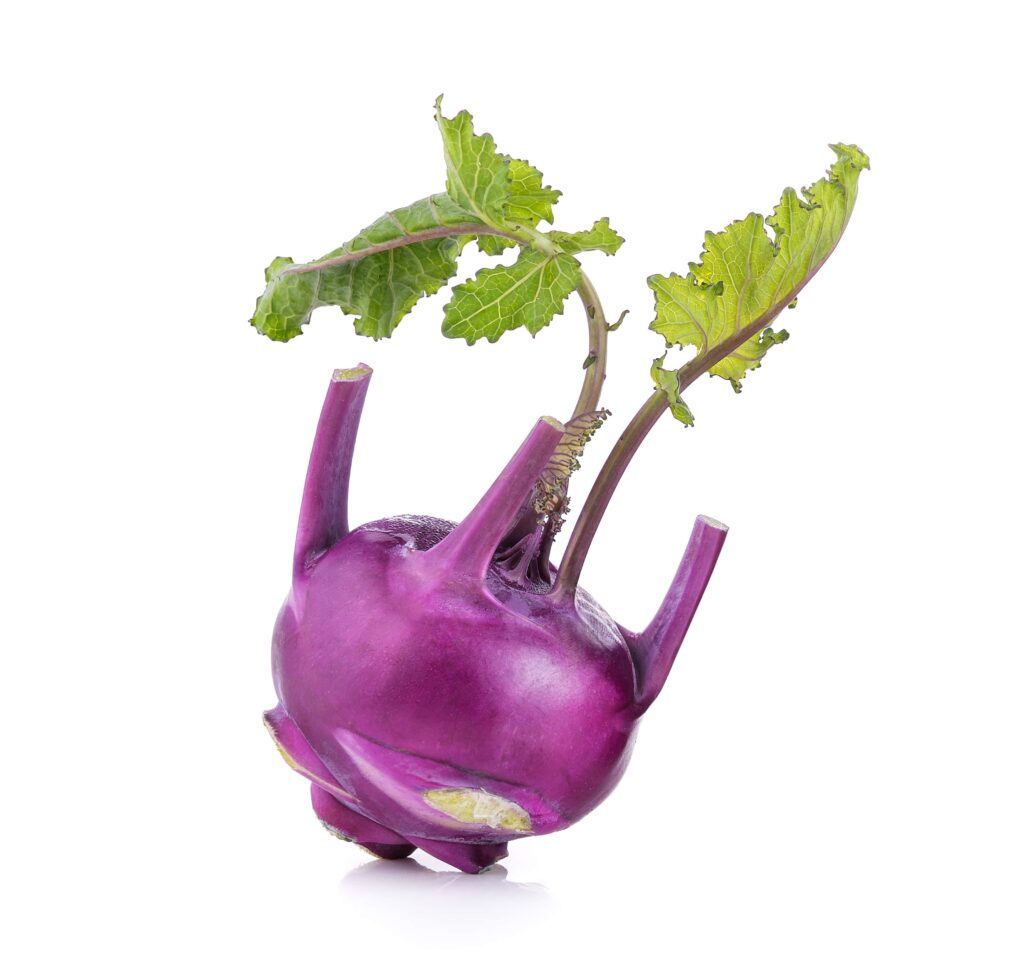

Purple Carrots – Before orange carrots became the norm, they were mostly purple. They have beta-carotene + anthocyanins, a double whammy for eye and brain health. Tastes like nostalgia and antioxidants.
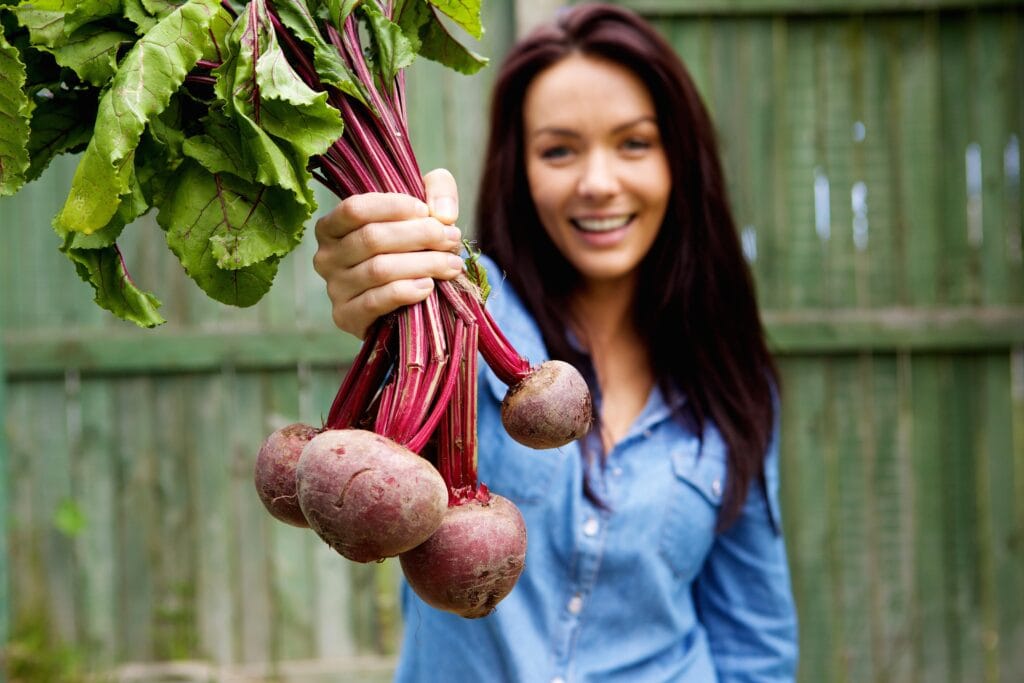
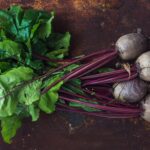
Beets – supercharge blood flow to your brain. They’re rich in nitrates, which your body converts into nitric oxide, a molecule that relaxes blood vessels and improves oxygen delivery to brain tissue. After a concussion, that’s a big deal! It’s like giving your neurons a fresh blast of Wi-Fi after they’ve been running on dial-up (when the internet ran through your phone line).
Walnuts: Food For Thought

Here’s a nutty fact: walnuts aren’t just shaped like brains for Instagram purposes. They actually have compounds that support memory, mood, and cognition
A 2020 paper Chauhan et al. reviews the health effects of walnuts, including cardiovascular, metabolic, and neuroprotective outcomes. This crunchy snack is loaded in:
- Alpha-linolenic acid (ALA, a plant-based omega-3)
- Polyphenols and antioxidant compounds
- Melatonin, ellagitannins, flavonoids
- Micronutrients such as magnesium, copper, manganese, and vitamin E
The walnut bioactives may support neuronal membrane fluidity, mitochondrial function, and anti-amyloid / anti-tau processes indirectly via antioxidant and anti-inflammatory effects.
A particularly intriguing angle is that walnuts may help preserve hippocampal integrity (the region crucial for memory encoding) and modulate synaptic plasticity. Some rodent studies show that walnut supplementation improves performance on learning and memory tasks.
Thus, incorporating walnuts into a cognitive-supportive diet is rational, especially when combined with other brain-friendly nutrients.
Incorporating walnuts into your Low-Carb Health Challenge

A few walnuts a day, crushed on a beet salad, or straight from the bag while you’re staring blankly at your laptop, can help your brain feel more… alert.
PCS twist: For post-concussion recovery, walnuts provide anti-inflammatory omega-3s that may help stabilize neurons and reduce lingering brain fog. Think of it as feeding your neurons little peacekeepers in armor.
Saffron: The Golden Spice of Brain Health
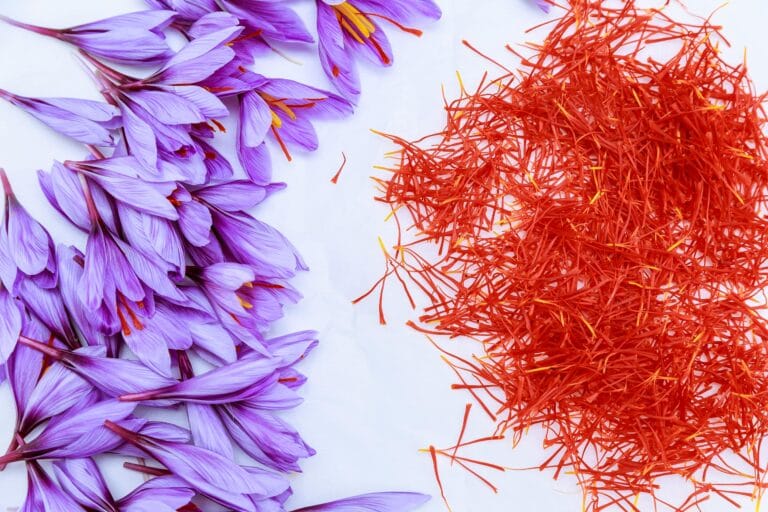
A perhaps less discussed but fascinating ingredient is saffron (Crocus sativus L.(blue purple saffron flower)), a spice that has shown neuroprotective properties and preliminary evidence for cognitive benefits, including in Alzheimer’s disease. Saffron isn’t just for fancy risotto; it’s the James Bond of spices, sneaking into the brain and doing undercover work against oxidative stress, amyloid plaques, and cognitive decline.
In humans, though limited, clinical trials (only four) found that saffron’s effects on cognitive impairment were comparable to donepezil or memantine (standard Alzheimer’s drugs), with a favorable safety profile. In other words, Some of these trials suggested saffron can help memory.
In short, saffron is not a cure-all, but it is one of the more promising botanicals under investigation for neuroprotection.
The Low-Carb Brain Health Challenge in Action
Here’s a chart of 5 practical ways to maximize purple vegetables, walnuts, saffron, and avoid unnecessary carbs:
Goal
Avoid Unnecessary Carbs
Eat More Purple
Snack On Walnuts
Add Saffron
How to Do It
Skip the bread, bagels, white rice, sugary snacks, pasta, and cereals
Look for it! Roast, steam, spiralize, or blend in shakes
Handful daily, in salad, or fat bombs
Infuse in oil, sprinkle on veg, stir into drinks
Benefits
Supports ketosis, reduces brain fog, stabilizes energy, reduces blood glucose levels
Anthocyanins, flavonoids, antioxidant & anti-inflammatory effects
Omega-3s, polyphenols, memory support
Neuroprotective, may improve memory & cognition
Because Brain Fog Doesn’t Need to Be a Lifestyle
So that’s your Low-Carb Brain Health Challenge, four weeks of feeding your neurons like they’re royalty. You’ll burn less sugar, eat more color, and maybe even remember where you parked.
If your brain’s been through a few concussions, too many bagels, or just needs a tune-up, let’s make a plan.
Book a visit at Relief Lab, where we don’t judge your carb count, just your posture.