
Chiropractic Helps Kids, Not Just Adults
Chiropractic care for kids
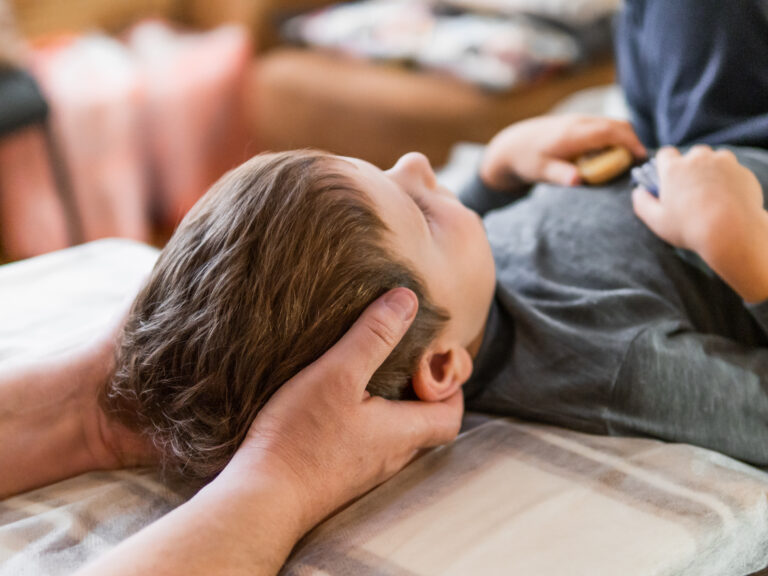
Kids Need Chiropractors Too!
Let’s just start by saying the obvious: when most people think of chiropractic care, they imagine a grown-up. Maybe a hockey dad who threw out his back trying to lift the snowblower in one go, or some poor soul hunched over a laptop like they’re trying to decode ancient scrolls. You know, adults doing adult things.
But here’s the kicker, kids need help too. Maybe not “I slipped on the ice and now I creak when I sneeze” help, but they deal with their own little biomechanical dramas. And believe it or not, chiropractic care for kids can make a difference. A big one.
As a kid, I was incredibly lucky to have my father as our own personal chiropractor. For my 5 other brothers and me, this came in handy after every big hit in hockey, tackle in soccer, or wipeout in BMX racing. We would often come home broken and needed to be put back together again by “Doc Rog”. The technique used by thousands of chiropractors to treat head injuries and developmental conditions or learning behavior issues, called Cranial Adjusting Turner Style (C.A.T.S.), was created by my father to treat my twin brother. At eight years old, my twin brother, fell in a BMX race and took the nob of a handlebar to his temple through the front of his BMX helmet shifting the bone on his temple. After that fall, he started showing concussion symptoms such as headaches, difficulty reading, lack of energy, sensitivities to stimuli…etc. But, back then, the concept of a concussion and what to do about it was unheard of. So, Doc Rog went to New York to learn from other doctors who were treating head injuries by manipulating the bones of the skull, and started working on my brother. By adjusting the bones that had become misaligned and correcting the whiplash damage, my brother’s symptoms regressed, and C.A.T.S. was born.

Doc Rog slowly developed his technique by working on us and with the kids that came into his practice. He quickly developed a reputation across Ontario as the “Skull Doc” who fixes kids with learning difficulties, behavior problems, and head injuries.
By the time Doc Rog was ready to start teaching other doctors how to treat these difficult cases, we were in high school, and I was fortunate to have been able to learn from him and help him create the C.A.T.S. technique. My twin and I drew all of the C.A.T.S. techniques by hand to create the manual used in his seminars. When I was old enough, I would go with him to these C.A.T.S. workshops, as he called them, and watch as he taught chiropractors from all over the world.
Now, I get to continue his legacy and am grateful for all that he has taught me as a chiropractor and as a father.

Chiropractic care for kids
"But They’re Just Kids!"
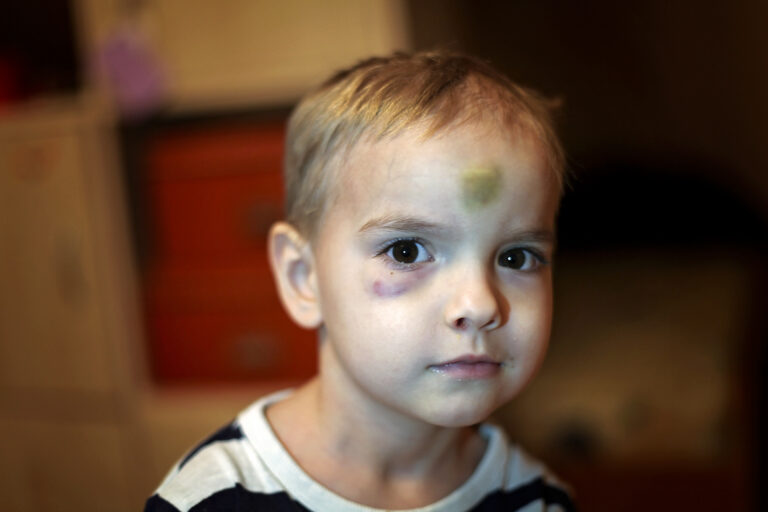
Kids are made of rubber, right? They bounce. They can roll down a hill, hit a tree, fall in a creek, and be totally fine except for maybe losing a sock. But let’s not pretend they’re invincible or that we let them go outside without an electronic device. Between growth spurts, poor posture, carrying backpacks that look like they’re preparing for a three-day hike, and staring at screens like zombies, kids are racking up issues that chiropractic care is uniquely positioned to help.
A growing body of research is showing us that chiropractic isn’t just about cracking necks and giving out spine-themed motivational posters. It’s a profession that affects the nervous system itself, and yes, even in children.
Research Supports Chiropractic care for kids!
50% of kids deal with headaches by the time they hit puberty, and experienced by up to 80% of 13 to 15-year-old children [ Source]. That’s not just a statistic, that’s a silent epidemic. Unlike adults, who treat stress with wine and Netflix, kids often don’t have the knowledge, tools, or legal access to manage it well. This can lead to reduced participation in social activities and more time spent gaming or glued to “smart” devices, developing their tech neck. The potential long-term effects of persistent pediatric headaches should be considered with an evidence-based treatment option such as chiropractic manipulation and in “most cases”. In this RCT study or other scientific literature, there are no reports of serious side effects in children other than temporary reddening and soreness. The possible implications in terms of improved health and well-being could be considerable if this treatment were used more consistently.


Turns out those bony bumps at the back of young people’s skulls aren’t growing from good vibes and TikTok dances. They’re growing because kids, and let’s be honest, adults too, are glued to their phones with the posture of a cooked shrimp. This 2018 study found that young guys, especially, are sprouting these skull spurs (called EEOPs) thanks to years of terrible posture and too much screen time. It’s not age or genetics, it’s tech neck. So maybe it’s time we stop handing toddlers tablets and start teaching people how to sit like humans again. Awareness of how forward your head sits is the key to making any lasting postural change. If your brain knows where you are in space (proprioception), you can correct your posture. This is where a chiropractic adjustment comes in handy.
Chiropractic adjustments don’t just restore range of motion(“crack”) joints, they stimulate changes in the nervous system. A 2024 study published in Brain Sciences showed chiropractic adjustments can influence neuroplasticity. That means can nerves can adapt in your brain and body to work better together. For children, whose nervous systems are still developing, or who are dealing with learning challenges, that can make a massive difference in school and at home with behavior.
Kids who get adjusted show Improvements in:
- Pain reduction
- Mood
- Sleep quality
- Mobility and function
- Overall quality of life
…It’s all documented. And unlike a lot of other approaches (rhymes with shizio-scarapy…), these weren’t just temporary “feels a bit better” moments. We’re talking about lasting changes in brain function and body coordination.
Chiropractic care for kids
Kids with Chronic Conditions? You Bet.
We’re not just talking about little Johnny who fell off the monkey bars. Pediatric chiropractic care has shown promise in managing chronic conditions, too. Things like:
- ADHD
- Learning difficulties
- Migraines
- Sleep disturbances
- Colic and digestive issues

Is chiropractic for kids a magic cure for these “incurable conditions?” No. This isn’t Hogwarts. Everyone has a different history of issues and lives in different environments. But it’s a significant piece of the puzzle and is often overlooked.
And let’s just say this out loud: chiropractic care has fewer side effects and higher satisfaction rates compared to a lot of standard medical interventions or even physiotherapy.
How It Compares to Physiotherapy (a.k.a. The Tortoise and the Hare)
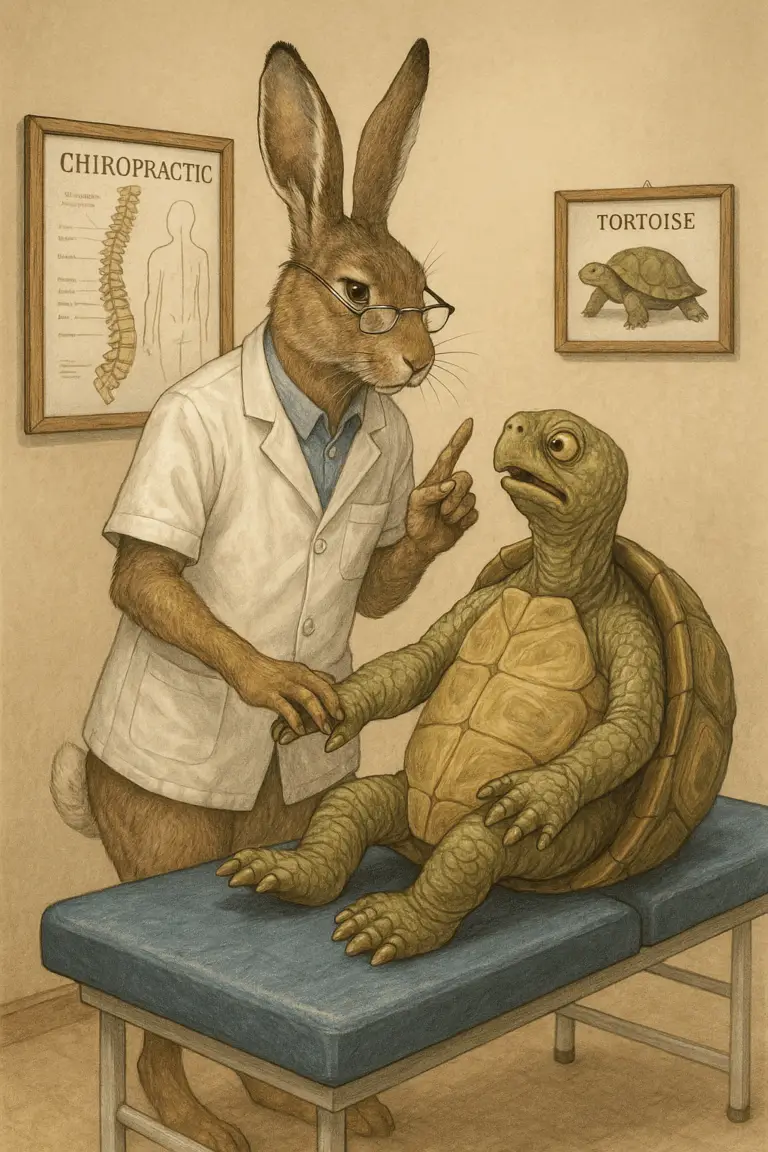
If chiropractic is the hare, physiotherapy is the tortoise. And sure, we know how that story ends. But here’s the thing, in real life, the hare doesn’t nap. He goes all in, fast.
Most people go to physio and get:
- A gentle muscle rub-down
- A heat pack or TENS machine
- Ultrasound wand rub
- Are left alone for 10-15 min
- A photocopied sheet of exercises from Chat GPT
- A pat on the back and a bill to their insurance
Then they’re told to come back in two weeks after doing those exercises, maybe once, while watching reruns of The Office.

At Relief Lab (or most chiropractic offices that know their stuff), kids get:
- A comprehensive movement assessment
- Hands-on treatment to restore joint function
- Nervous system stimulation that helps the brain learn better movement
- Tools and knowledge to actually prevent the issue from coming back
So the tortoise may be slow and often unsteady, but the hare actually wins when he doesn’t stop for a nap. Especially when that nap is without a diagnosis and uses an overpriced stim machine followed by a half-hearted “see you in a few weeks.”
Why Parents Are Skeptical (And Why They're Also Tired)
It’s true. Most parents are already juggling enough. Add in a skeptical grandparent or an outdated medical doctor who thinks chiropractors are just “witch doctors with gym memberships,” and it’s no wonder some are hesitant.
But more and more parents are waking up to the fact that their kids don’t need to wait until adulthood to start dealing with chronic issues. Your child has a spine just like you, so don’t they deserve the best care?
If you could give your kid:
- Fewer headaches
- Better concentration
- Healthier sleep
- Less pain

…without medication, invasive procedures, or sitting in a beige room with a rubber band for six hours, wouldn’t you try?
And don’t take my word for it. Take the word of hundreds of parents and the growing body of international research that says this stuff works.
Final Thought: Kids Deserve Better Than the Wait-and-See Approach
We don’t wait until the engine falls out of the car to get an oil change. And don’t expect a grocery store clerk to be the best person to change it. So why are we waiting until kids are in pain to look at how their bodies move?
Chiropractic care helps prevent long-term issues by correcting patterns early, improving brain-body communication, and teaching them (and their nervous systems) how to move through life better.
So let’s give them more than a juice box, an ice pack, and a children’s Tylenol. Let’s give them better function, more comfort, and a chance to grow up without bringing their future back problems with them.
And if all else fails, at least they’ll know what a chiropractor is before they’re 40 and sneezing becomes a full-body event.