
Take Concussions Seriously in the First 72 Hours
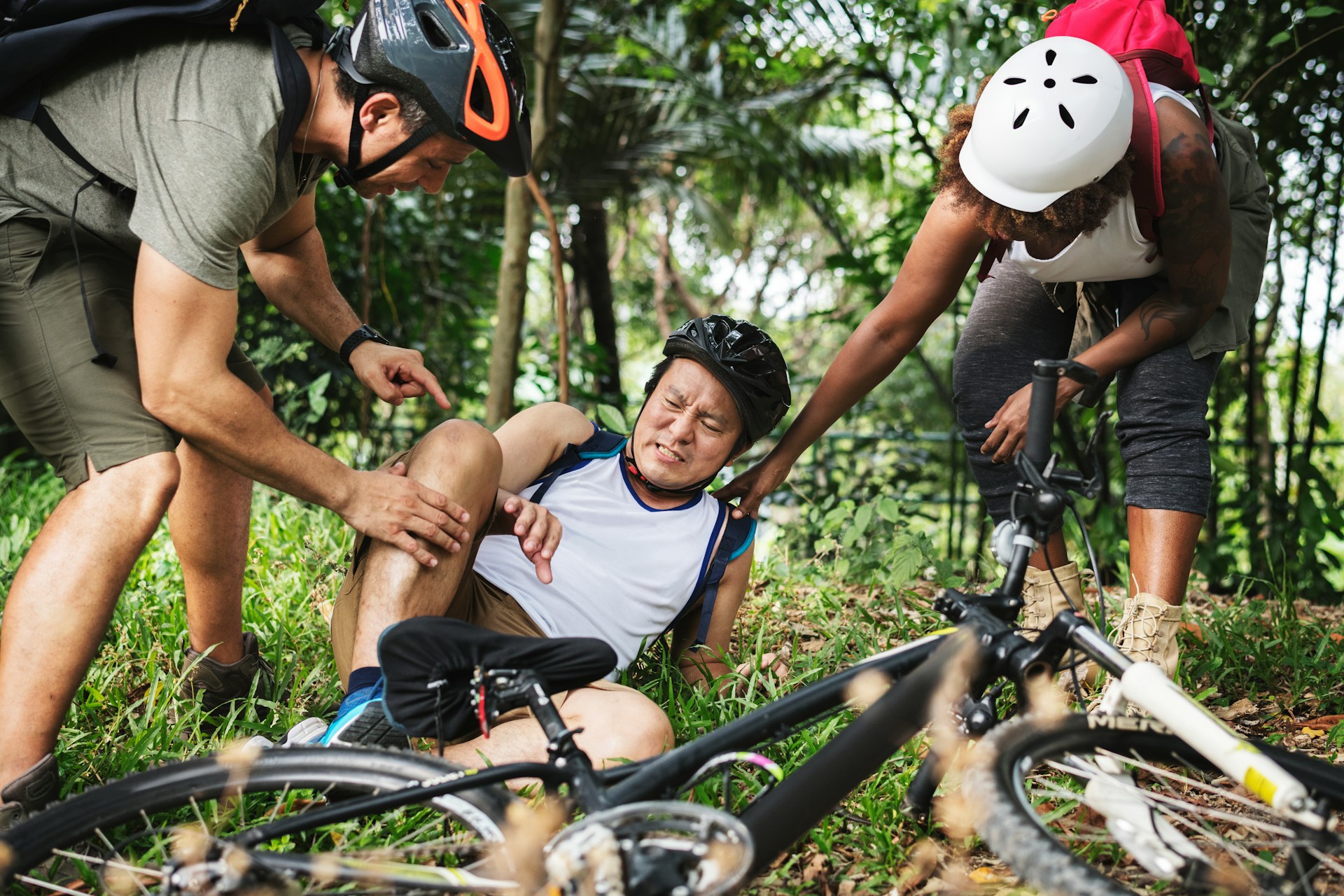
A fall during a weekend bike ride, a hit in a rec hockey game, a minor bump in stop-and-go traffic on the way out of town. The impact seems small, you feel a bit off, and people around you say you are fine. It is easy to shrug it off as just a knock to the head.
But a concussion is a brain injury. The brain has been shaken inside the skull, and that can affect how it works, even if the hit did not look dramatic. What you do in the first 72 hours can influence how strong your symptoms feel, how long they last, and how confident you feel about your recovery.
In this guide, we will walk through how to spot concussion symptoms, what to do and what to avoid in the early hours, and how to tell when you need urgent care or more focused long-term post-concussion treatment support from a clinic like ours in Kanata.
Recognizing Concussion Symptoms in Real Life
Concussion symptoms do not always appear right away. Some start within minutes, others build over several hours, and some are more obvious to the people around you than to you.
Common early symptoms include:
– Headache or pressure in the head
– Dizziness or feeling off balance
– Nausea, sometimes with vomiting
– Feeling foggy, slowed down, or confused
– Sensitivity to light or noise
You might also notice:
– Blurry or double vision
– Trouble focusing or remembering recent events
– Irritability, sadness, or feeling more emotional than usual
– Trouble falling asleep or sleeping more or less than normal
These symptoms can show up after a sports practice, a long drive, or a busy weekend at the cottage or campground. Sometimes, you wake up the next day and only then realise how rough you feel.
Red-flag warning signs that need urgent medical attention include:
– Worsening, severe headache
– Repeated vomiting
– Seizure or convulsions
– Slurred speech or trouble speaking
– One pupil larger than the other
– Weakness, numbness, or trouble moving arms or legs
– Severe neck pain
– Inability to stay awake or wake up
– Unusual behaviour, extreme confusion, or agitation
If any of these are present, go to the emergency department or call emergency services.
You do not need to lose consciousness to have a concussion, and many people never black out at all. Children, teens, and older adults may show subtler signs such as changes in play, school work, walking, or mood; when in doubt, have them checked.
What to Do in the First 24 to 72 Hours
After a hit to the head or body that could cause a concussion, step one is to get checked. Go to urgent care or the emergency department right away if:
– You have any red-flag symptoms
– The injury was high speed or involved a big fall
– Symptoms are getting worse quickly
If symptoms are milder but you still feel off, it is reasonable to see a primary care provider soon, or a clinic experienced in concussion and post-concussion treatment, such as ours. They can screen for more serious problems and give early guidance.
For the first 24 to 48 hours, aim for relative rest. This means avoiding the kinds of demands that clearly flare symptoms, while still doing small amounts of activity you can tolerate. In practice, that typically looks like:
– No intense exercise, sports, or heavy lifting
– Keeping school and work demands low
– Short, light activities that do not clearly worsen symptoms
Complete bed rest in a dark room is not the goal. Instead, try calm, low-effort activities that keep you gently engaged, such as:
– Short, gentle walks as tolerated
– Quiet conversations with family
– Calm hobbies like drawing, listening to soft music, or light reading if it feels okay
Screens can be tricky. You do not necessarily need to cut them out completely, but it helps to use them in a way that keeps symptoms from ramping up:
– Dim the brightness on phones, tablets, and computers
– Keep sessions short, such as 10 to 15 minutes, then rest
– Avoid fast-moving or high-action games and shows
– Limit loud sounds and busy, bright environments
For symptom relief, some people find it helpful to stay hydrated and keep food intake steady, and to use simple comfort measures for sore areas. Options that may help include:
– Drinking enough water
– Small, regular meals or snacks
– Ice packs on sore neck or shoulder muscles
Over-the-counter pain medication may be used if a doctor or pharmacist says it is safe for you. However, it should never be used to hide symptoms so you can return to play or work.
Common Mistakes That Slow Brain Recovery
There are a few common traps in the first few days that can make recovery harder than it needs to be.
One is over-resting. Staying in a dark room for days, cut off from normal life, can increase stress and worry, disrupt sleep, and make you feel weaker and more sensitive when you do get up.
Another mistake is going back to hard activity too soon. High-intensity workouts, contact sports, and risky activities like mountain biking or full-contact scrimmages can spike symptoms, raise the risk of another injury while you are still off balance, and stretch out the recovery time.
Trying to push through at work or school is also a problem. Forcing yourself to stare at a screen all day or sit in a noisy classroom when your head is pounding can make headaches, fatigue, and brain fog much worse.
It is also smart to avoid:
– Alcohol
– Recreational drugs
– Unnecessary sedating medications
These can cloud how you feel, make it harder to monitor symptoms, and affect how your brain recovers.
When to Seek Post-Concussion Treatment Support
Many people start to improve within the first week. If symptoms last longer, are getting in the way of daily life, or you feel stuck, it may be time to get more focused help.
In general:
– Adults who still have strong symptoms after 7 to 10 days may benefit from targeted post-concussion treatment
– Children and teens who are still struggling after 2 to 4 weeks should be checked more closely
At a multidisciplinary clinic like Relief Lab, an assessment may include:
– A detailed history of the injury and your symptoms
– Neurological and vestibular testing, for balance and inner ear function
– Neck and other musculoskeletal assessment
– Balance and eye movement checks
– Screening for mood, sleep, and thinking changes
From there, a tailored plan might involve:
– Graded, symptom-guided exercise to gently rebuild tolerance
– Vestibular and vision rehabilitation exercises
– Hands-on care for neck and upper back issues linked to the concussion
– Clear advice on pacing, planning the day, and returning to school, work, or sport in stages
Getting this kind of support earlier can often shorten recovery, lower the chance of long-term problems, and help you feel more in control of what is happening.
Your Next Steps in Supporting a Safe Recovery
If you have just had a possible concussion, a simple decision path can help:
– Red-flag symptoms or big changes in consciousness: go to the emergency department right away
– Ongoing but milder symptoms: see a family doctor or nurse practitioner soon
– Symptoms lasting beyond the early window or affecting daily life: consider a full post-concussion assessment with a team experienced in concussion care, such as our clinic in Kanata
It also helps to create a basic 72-hour plan. This might include:
– Letting a family member, coach, teacher, or employer know what happened
– Asking for short-term changes at work or school, like shorter days or fewer screens
– Scheduling light activities and rest breaks through the day
– Keeping evenings calm to support good sleep
Most people do recover well from concussion, especially when the early steps are steady and sensible. You do not have to sort out every detail alone, and it is okay to ask for guidance when things do not feel right.
Take The Next Step Toward Lasting Concussion Relief
If your symptoms are lingering and disrupting your life, we are here to help you regain clarity, comfort and confidence. Our team at Relief Lab provides comprehensive post-concussion treatment tailored to your specific recovery needs and goals. Reach out today so we can discuss your situation and map out a practical path forward together, or contact us to book an appointment.